Why a Storm Damage Roof Inspection Matters After Severe Weather
When the sky clears after a big storm, it is easy to let out a sigh of relief and assume the house made it through okay. I have seen that feeling many times working as a roofing contractor in Austin, Texas. The truth is, what you cannot see from the ground can quietly turn into a bigger problem. A storm damage roof inspection is one of those things that feels optional until you find water stains on the ceiling or notice a draft coming from the attic. By then, the damage has already spread.
Severe weather in central Texas comes in many forms. We get hail that can dent a metal roof or crack clay tiles. We get straight-line winds that lift shingles and peel back flashings. And we get rain that tests every seam and seal on the roof deck. Each type of storm leaves its own signature on a roof, and knowing what to look for is the difference between a quick roof repair and a full roof replacement.
What a Storm Actually Does to a Roof
Wind does not just blow shingles off. It creates uplift that pulls at the edges of the roof, especially around the ridge vent and the eaves. When wind gets under a shingle or a tile, it can work that piece loose over the course of a few minutes. Even if the shingle stays put, the seal around it can break. That is where hidden leaks start.
Hail damage is easier to spot on some roofs than others. On a metal roof, hail leaves dents and can knock the protective coating off the metal. On a tile roof, hail can crack tiles or chip the edges. On a flat roof with a membrane or built-up surface, hail can bruise the material without breaking through. But a bruise still weakens the underlayment below. Over time, that spot becomes a leak waiting to happen.
Then there is the water itself. Heavy rain that comes with a storm finds every weak point. Gutters and downspouts get overwhelmed by debris and leaf litter, water backs up, and it finds its way under the shingles or behind the flashings. If your gutters are clogged when the storm hits, you are basically inviting water to pool on the roof deck or seep into the fascia.
The Case for a Professional Inspection
I have had homeowners tell me they walked around the house after a storm and did not see anything wrong. That is understandable. From the ground, you might notice a missing shingle or a dented gutter, but most storm damage is subtle. A professional storm damage roof inspection catches the things you cannot see from a ladder or through binoculars.
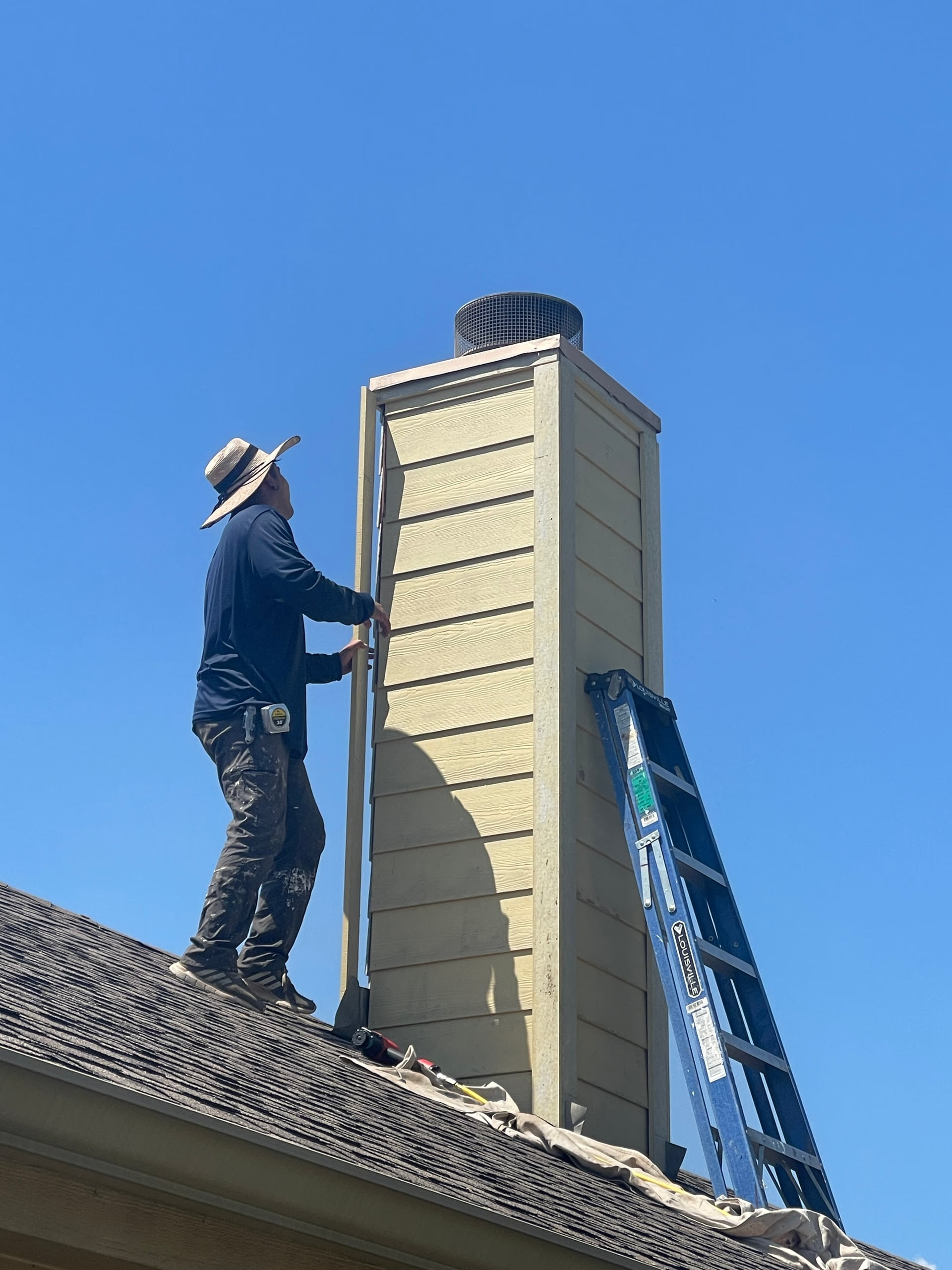
An inspector will walk the roof surface and check for loose flashings around chimneys, skylights, and vents. They look at the ridge vent to see if wind has shifted it. They examine the underlayment at the edges to make sure it is still sealed. They check the gutters and downspouts for debris and for signs that water backed up. They also look at the roof deck itself for soft spots or signs of water intrusion.
One thing I always check is the area around skylights. Skylights are a common entry point for water after a storm because the flashing around them can lift or crack. A small gap there lets in enough water to damage the ceiling and the framing below. That kind of damage is not visible from inside the house until it is already wet.
Ice Dams Are Not Just for Cold Climates
People in Texas do not usually worry about ice dams, but after a winter storm or an unusual freeze, ice can build up on a roof just like it does up north. When melting snow or ice refreezes at the eaves, it creates a dam that traps water on the roof. That water can work its way under the shingles and into the underlayment. A storm damage roof inspection after a freeze event should include checking for ice dam damage, even if the ice has already melted. The evidence is usually in the attic: water stains, damp insulation, or mold growth.
Leak Detection and the Limits of a Visual Check
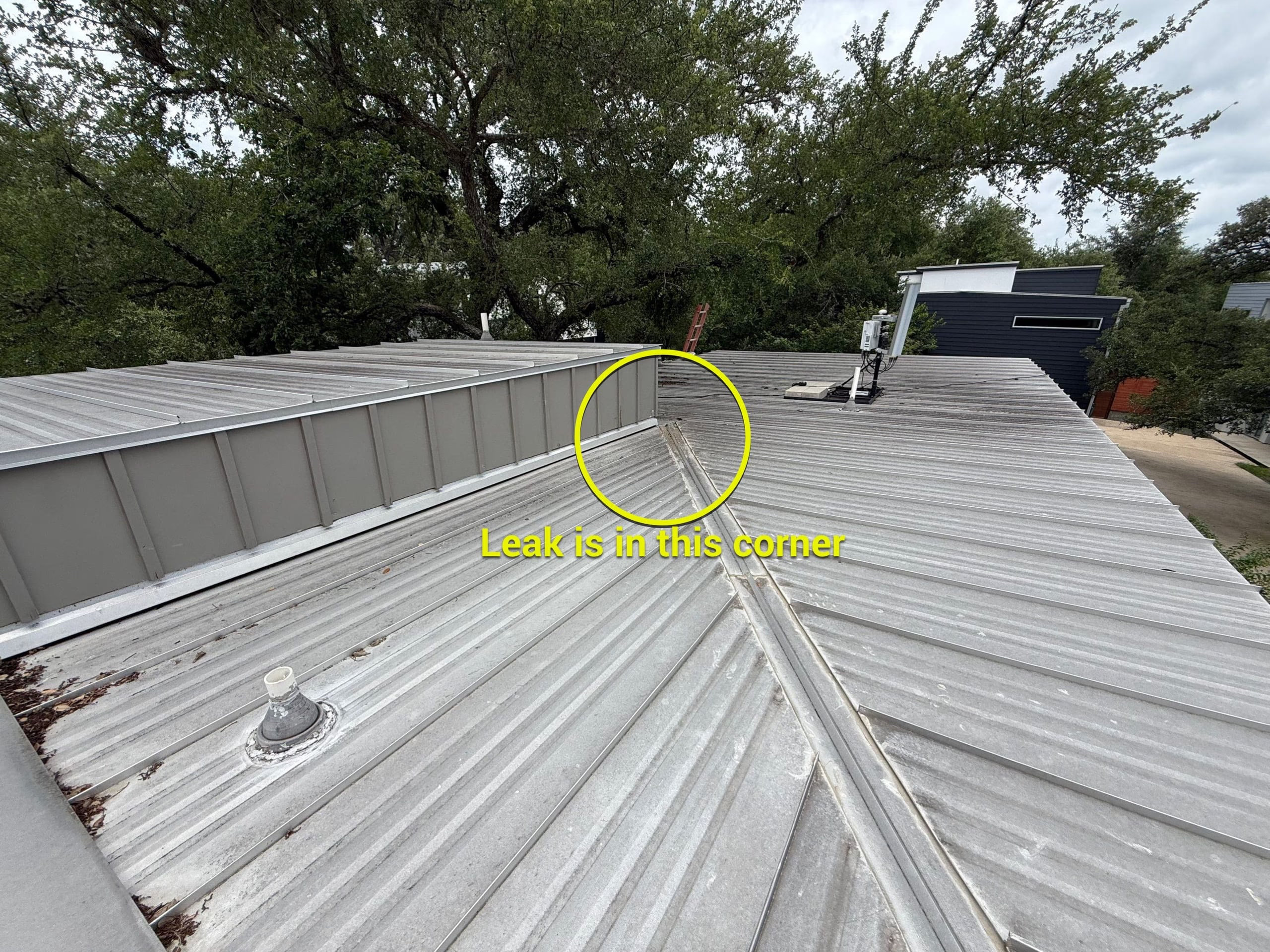
Not every leak shows itself right after the rain stops. Sometimes water travels along a roof deck or a rafter before it drips down. You might see a stain on the ceiling three feet away from the actual entry point. That is why leak detection is a skill, not just a look. A good inspector uses moisture meters and thermal imaging to find damp spots that are not yet dripping. They know where to probe and what to look for.
If you catch the damage early, you can often get away with a targeted roof repair instead of a full roof replacement. A missing shingle, a lifted flashing, or a cracked tile can be replaced without touching the rest of the roof. But if you wait, water gets into the underlayment, rots the roof deck, and spreads to the framing. At that point, the repair cost jumps significantly.
What to Expect During an Inspection
A thorough storm damage roof inspection covers several areas. Here is what a good contractor or inspector will look at:
- Shingles and tiles for cracks, curling, or missing pieces
- Flashings around chimneys, skylights, and vents for gaps or lifts
- Gutters and downspouts for clogs, sagging, or signs of overflow
- Ridge vent and other roof penetrations for wind damage
- Attic or ceiling below for water stains, damp insulation, or mold
After the inspection, you should get a clear report of what was found and a recommendation for repairs. A reputable roofing contractor will give you an honest assessment, not a sales pitch. If the damage is minor, they will tell you. If it is more serious, they will explain why and what the options are.
When to Replace vs. Repair
This is the hard question. Not every storm-damaged roof needs to be replaced. A roof replacement is necessary when the damage is widespread, when the underlayment is compromised, or when the roof deck has rotted. But many times, a targeted roof repair is enough.
Here are the factors that push toward replacement:
- Multiple leaks in different areas
- Significant hail damage across a large portion of the roof
- Rotted or sagging roof deck
- Underlayment that is torn or deteriorated
- Age of the roof near the end of its service life
If the roof is still in good shape overall and the damage is isolated, a repair is the smarter move. A good contractor will not try to sell you something you do not need. That is where getting a free, no-obligation evaluation helps. You can hear the facts and decide without pressure.
Why Location Matters
Austin has a climate that is tough on roofs. Hot summers, heavy spring storms, and occasional freezes all take a toll. A metal roof handles heat well but can dent in a hailstorm. A tile roof looks great but can crack under impact or if someone walks on it carelessly. A flat roof needs good drainage and regular maintenance to avoid ponding water. Each material has its strengths and its weaknesses in this part of Texas.

Your roofing contractor should know local weather patterns and the common failure points for each roof type. They should also be familiar with the building codes in Austin and the surrounding area. An inspection is not just about finding damage. It is about understanding how the roof will hold up in the next storm.
Final Thoughts
A storm damage roof inspection is not something to put off. The damage from a single storm can get worse with every rain that follows. If you wait until you see a stain on the ceiling, the water has already been working on your roof deck and your insulation for weeks or months. By then, a simple repair has turned into a larger project.
After the next storm passes, call a professional. Let them walk the roof, check the flashings, clear the gutters, and look under the shingles. It is a small investment that can save you thousands and keep your home dry through the next round of Texas weather.